#01 appearance
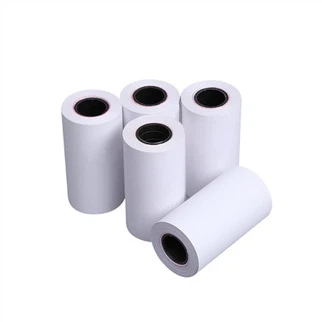
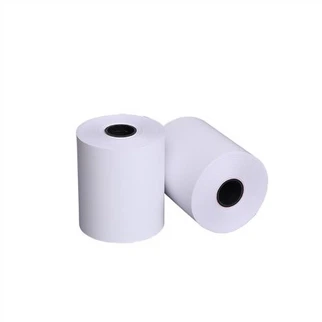
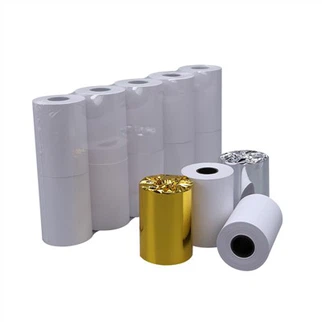
If the paper is very white, it indicates that the protective coating and thermal coating of the paper are unreasonable, too much phosphor is added, and the better paper should be slightly green; If the paper finish is not high or looks uneven, it indicates that the paper coating is uneven; If the paper seems to reflect strong light, too much phosphor is added, and the quality is not very good.
#02 color development
High color density and clear handwriting are one of the most important properties of thermal paper.
#03 preservation
The preservation of inferior thermal paper is very short. The handwriting of good thermal paper is generally more than 2 ~ 3 years, and the preservation performance of special thermal paper is more than 10 years. It's good to keep the color clear after exposure to the sun for 1 day.
#04 protection performance
Some applications, such as labels and bills, need good protective performance. They can be tested by coating water, oil, hand cream, etc. on thermal paper.
#05 printhead adaptability
Inferior thermal paper has great wear on the print head and is easy to stick to the print head. You can see by checking the print head.
#06 fire roast
Use a lighter to heat the back of the paper. If the color on the paper after heating is brown, it indicates that the thermal formula is unreasonable and the storage time of printed handwriting may be short; If the black part of the paper has small stripes or uneven color patches, the coating is uneven. The paper with good quality should be black-green (with a little green) after heating, and the color block is uniform, and the color gradually fades from the center to the surrounding.
#07 comparison and identification of sunlight exposure
The printed paper is coated with a fluorescent pen and dried in the sun (this can accelerate the reaction of the thermal coating to light). Which paper blackens fastest indicates that the shorter the storage time.